In short: Irving Penn (1917 to 2009) was one of Vogue’s leading photographers for more than sixty years. Trained by Alexey Brodovitch and hired by Alexander Liberman in 1943, he made his name with plain backdrops, controlled daylight and precise prints. His corner portraits, the Small Trades series, his travel portraits in a portable tent studio and his platinum prints still shape how fashion and portraits are photographed in the studio.
Updated 19 November 2026 by Lens Notes editors
When people talk about the great fashion photographers of the twentieth century, two names come first: Richard Avedon and Irving Penn. Avedon brought movement and the street into fashion. Penn did almost the opposite. He took fashion, people and objects into a quiet studio, stood them against a plain backdrop and made pictures of great calm and precision.
This profile explains who Irving Penn was, how he worked, and why his studio approach still matters to fashion photographers. For the wider story, see our overview of fashion photography and our profile of Patrick Demarchelier.
Who was Irving Penn?
Irving Penn was born on 16 June 1917 in Plainfield, New Jersey, according to Wikipedia. His younger brother was the film director Arthur Penn. From 1934 to 1938 he studied at the Philadelphia Museum School of Industrial Art under Alexey Brodovitch, the art director of Harper’s Bazaar, according to the Irving Penn Foundation. While still a student he worked under Brodovitch, and Harper’s Bazaar published several of his drawings.
After a period painting in Mexico and travelling in the United States, Penn returned to New York. In 1943 Alexander Liberman, the art director of Vogue, hired him as an associate to prepare layouts and suggest cover ideas. Liberman soon asked him to try photography himself. His first photographic cover for Vogue appeared in October 1943, and he remained one of the magazine’s top photographers for more than sixty years.
The Irving Penn fashion photographer style
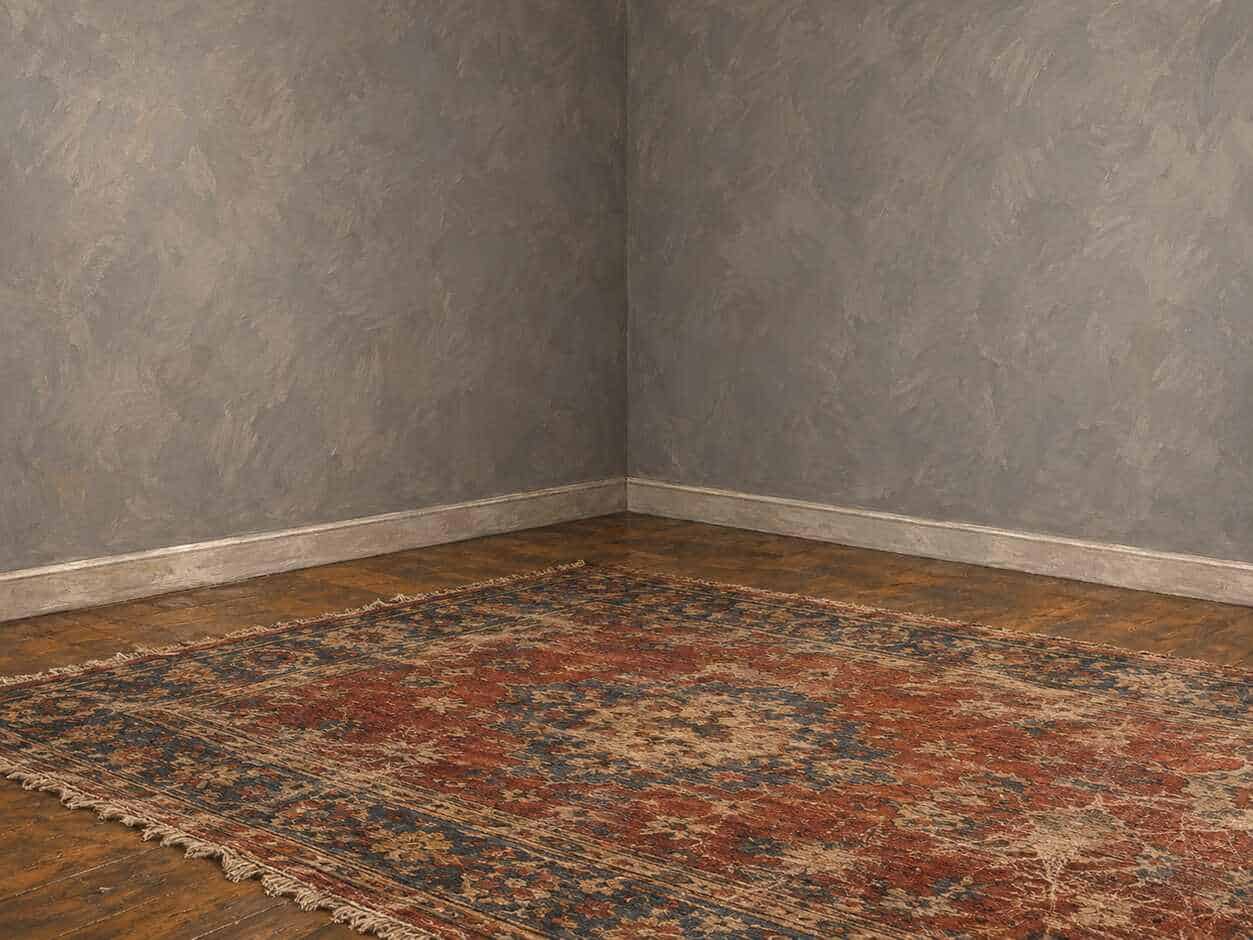
Penn’s style is easy to recognise. Wikipedia notes that he was among the first photographers to pose subjects against plain grey or white backdrops, and he used that simplicity with great effect. The key elements were:
- A plain background. Grey or white paper or canvas removed every distraction.
- Soft, controlled light. He liked daylight from a large window, shaped with care, rather than hard flash.
- Precise composition. Every hand, fold and shadow was placed on purpose.
- Fine printing. The print was part of the work, not an afterthought.
The foundation says Penn preferred the controlled environment of the studio. That preference shaped his fashion work. Instead of telling a story, his pictures show the cut, texture and shape of the clothes with almost scientific clarity.
Corner portraits and the Small Trades
Penn also made a famous series of portraits in a corner. He set two upright flats at an angle to form a narrow corner and placed his sitters inside it. Some leaned on the walls, some crouched, some looked trapped. Subjects included Pablo Picasso, Georgia O’Keeffe, Marcel Duchamp, Martha Graham, W. H. Auden and Igor Stravinsky, as Wikipedia lists.
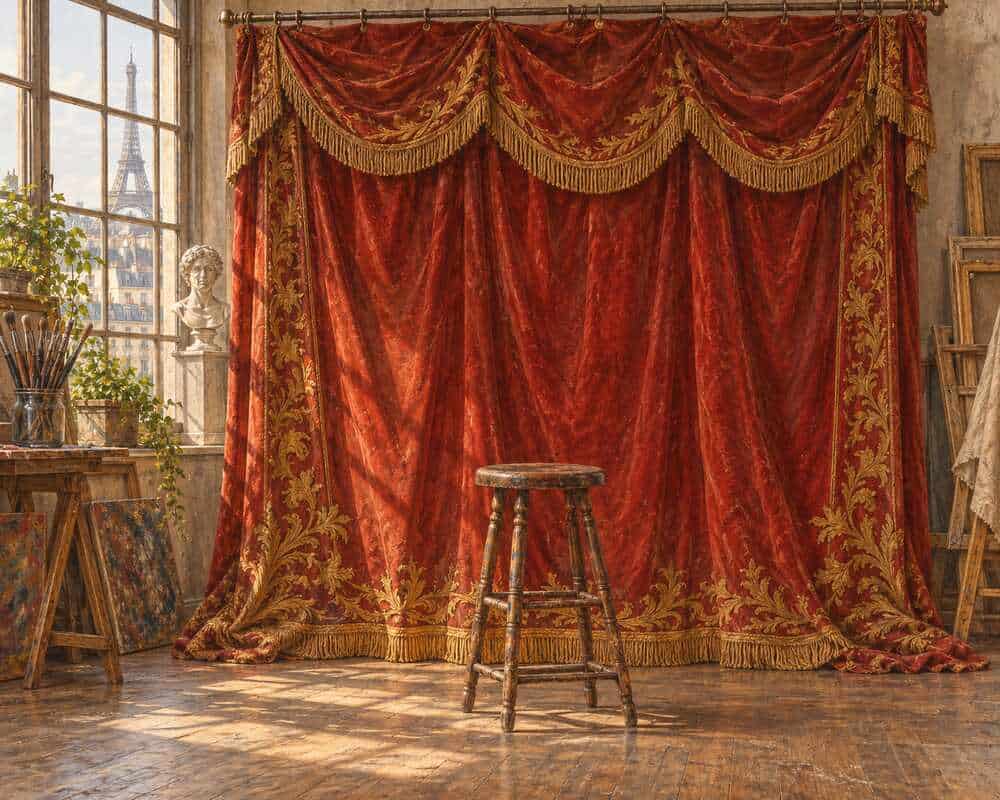
In 1950 Vogue sent Penn to Paris to photograph the haute couture collections. He worked in a daylight studio with an old theatre curtain as a backdrop. During the same period he photographed the Small Trades, “butchers, bakers, workmen, and eccentrics who belonged to a disappearing world”, in the words of the Irving Penn Foundation. Each worker stood against the same plain backdrop, in work clothes and holding the tools of the trade. The J. Paul Getty Museum showed 252 of these portraits in 2009.
Also in 1950, Penn married the Swedish model Lisa Fonssagrives, whom he had first met in 1947. She appears in many of his best-known fashion pictures from that time.
| Year | Event |
|---|---|
| 1917 | Born in Plainfield, New Jersey, on 16 June |
| 1934 to 1938 | Studies with Alexey Brodovitch in Philadelphia |
| 1943 | Joins Vogue; first photographic cover in October |
| 1950 | Paris collections, Small Trades, marries Lisa Fonssagrives |
| 1964 to 1971 | Travels for Vogue with a portable studio |
| 1975 | Cigarette photographs shown at MoMA |
| 1984 | MoMA retrospective, curated by John Szarkowski |
| 2009 | Dies in New York, aged 92 |
Did Irving Penn really travel with a tent studio?
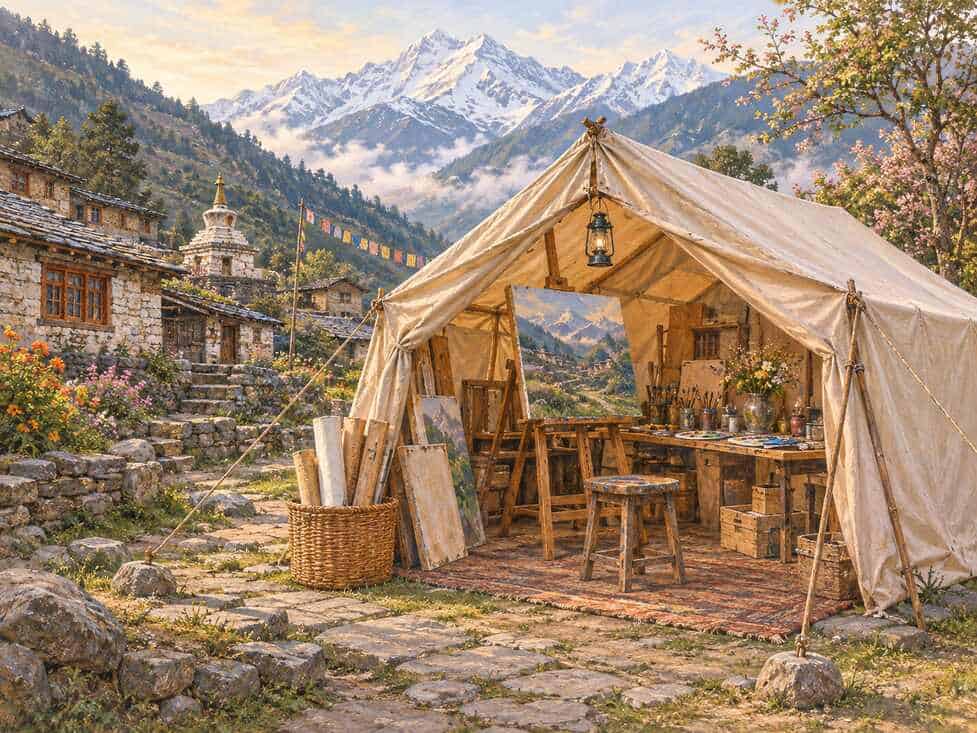
Yes. Between 1964 and 1971, Vogue sent Penn to Japan, Crete, Spain, Dahomey, Nepal, Cameroon, New Guinea and Morocco. On early trips he used garages and barns, but he eventually built “a tent studio that could be dismantled and taken from location to location”, according to the Irving Penn Foundation. Penn said the neutral space inside the tent created a “possibility of contact” that was a revelation to him and often moving for his sitters.
The idea was simple: bring the studio’s plain backdrop and soft daylight to any place in the world, so that the person, not the setting, becomes the subject. Many fashion and portrait photographers still use the same approach with portable backdrops on location.
Platinum prints and still lifes
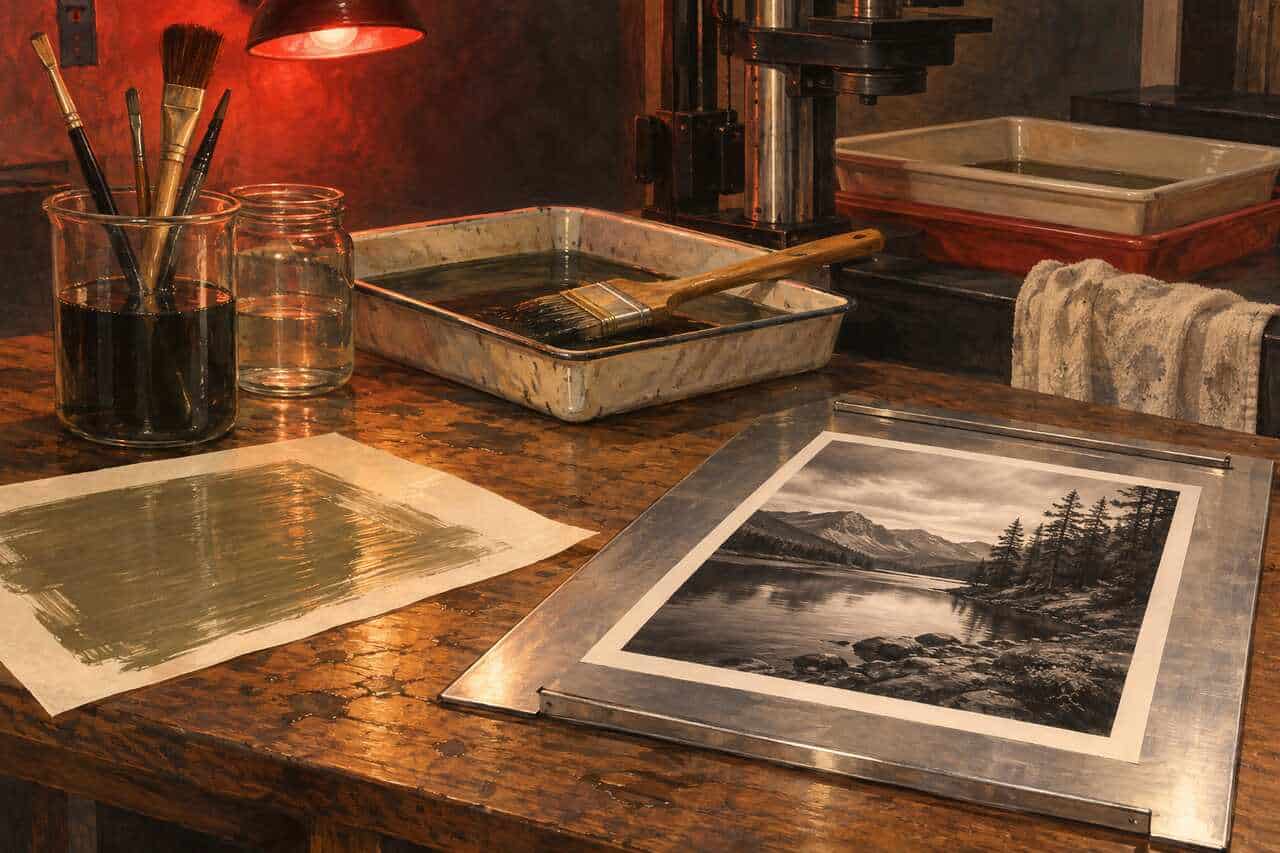
Penn cared deeply about printing. From 1964 he experimented with nineteenth-century platinum printing, and he went on to perfect a process with platinum and palladium metals. He enlarged negatives for contact printing, hand-coated artist’s paper and fixed it to an aluminium sheet so it could take several coatings and exposures, the foundation explains. In the early 1970s he closed his Manhattan studio for a time and built a printing laboratory on the family farm on Long Island.
His still lifes were just as careful. His photographs of cigarettes were shown at the Museum of Modern Art in 1975. His advertising clients included Clinique, De Beers and General Foods, and after his 1984 MoMA retrospective he worked with the Japanese designer Issey Miyake, who sent his sculptural clothes to New York for Penn to interpret.
Penn and Avedon: two ways to photograph fashion
Penn and Avedon were near contemporaries, both taught by Brodovitch, and both worked for decades at Vogue. The Getty’s 2018 exhibition Icons of Style, which we describe on our fashion photography page, set them side by side: Penn the master of the studio, Avedon the master of the location. Read our profile of Richard Avedon to compare the two.
For photographers today, Penn’s lesson is that less can be more. A plain backdrop, one good light and great care over every detail can make a picture that lasts. Our guide to studio photography for fashion brands shows how those ideas work in a modern studio.
Key takeaways
- Irving Penn was born on 16 June 1917 in Plainfield, New Jersey, and died in New York in 2009, aged 92.
- He studied with Alexey Brodovitch and joined Vogue in 1943, where he worked for more than sixty years.
- His style rested on plain backdrops, soft controlled light and precise composition.
- In 1950 he photographed the Paris collections and the Small Trades series.
- From 1964 to 1971 he travelled for Vogue with a portable tent studio.
- He perfected platinum and palladium printing in his own laboratory.
Common questions
Who was Irving Penn?
An American photographer (1917 to 2009) who worked for Vogue for more than sixty years. He is known for fashion pictures, portraits and still lifes made against plain backdrops in the studio.
What is Irving Penn’s photography style?
Plain grey or white backgrounds, soft and controlled light, precise composition and very fine printing, often in platinum and palladium.
When did Irving Penn start at Vogue?
In 1943, when Alexander Liberman hired him to prepare layouts. His first photographic cover for Vogue appeared in October 1943.
What are the Small Trades photographs?
Portraits of workers such as butchers and bakers, photographed in their work clothes with their tools against a plain backdrop, starting in 1950.
Who was Irving Penn’s wife?
The Swedish model Lisa Fonssagrives. They married in 1950, and she appears in many of his fashion photographs.
How was Irving Penn different from Richard Avedon?
Penn worked mainly in the controlled studio, while Avedon became famous for putting models in motion on location. Both were taught by Alexey Brodovitch.
How we put this together: We took the dates, quotations and working methods from the Irving Penn Foundation’s biography and checked them against Wikipedia. Where the two sources differ in detail, we used the foundation. The Getty comparison comes from our own page on fashion photography. This is an independent guide with no link to the Irving Penn Foundation or Condé Nast.