In short: Richard Avedon (1923 to 2004) changed fashion photography by putting models in motion. Hired by Alexey Brodovitch at Harper’s Bazaar in 1944, he shot the Paris collections from 1947 and made Dovima with Elephants in 1955. He joined Vogue in the mid-1960s, made In the American West for the Amon Carter Museum from 1979 to 1984, and became The New Yorker’s first staff photographer in 1992.
Updated 19 November 2026 by Lens Notes editors
Before Richard Avedon, most fashion photographs showed a model standing very still in a studio. Avedon made her laugh, run, dance and leap across the street. He also became one of the great portrait photographers of his time, known for stark pictures against a plain white background. Few photographers have shaped both fashion and portraiture so strongly.
This profile explains who Richard Avedon was, how his style changed over sixty years, and what fashion photographers still learn from him. For the wider context, see our overview of fashion photography and our profile of Irving Penn, his great contemporary.
Who was Richard Avedon?
Richard Avedon was born in New York City on 15 May 1923, according to Britannica. He joined the Young Men’s Hebrew Association camera club at the age of twelve, and in 1942 he joined the U.S. Merchant Marine as Photographer’s Mate Second Class. “My job was to do identity photographs,” he later said. “I must have taken pictures of one hundred thousand faces before it occurred to me I was becoming a photographer,” as quoted by the Richard Avedon Foundation.
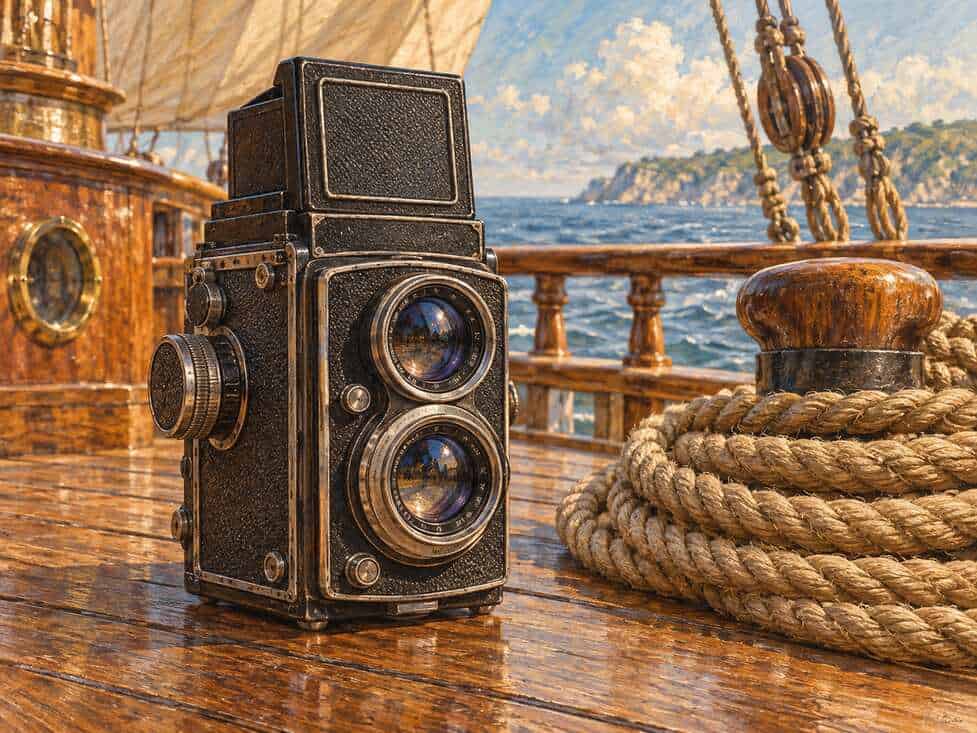
He made those pictures with a Rolleiflex camera that his father had given him, Wikipedia notes. After two years of service he left the Merchant Marine to work as a professional photographer.
How did Avedon start at Harper’s Bazaar?
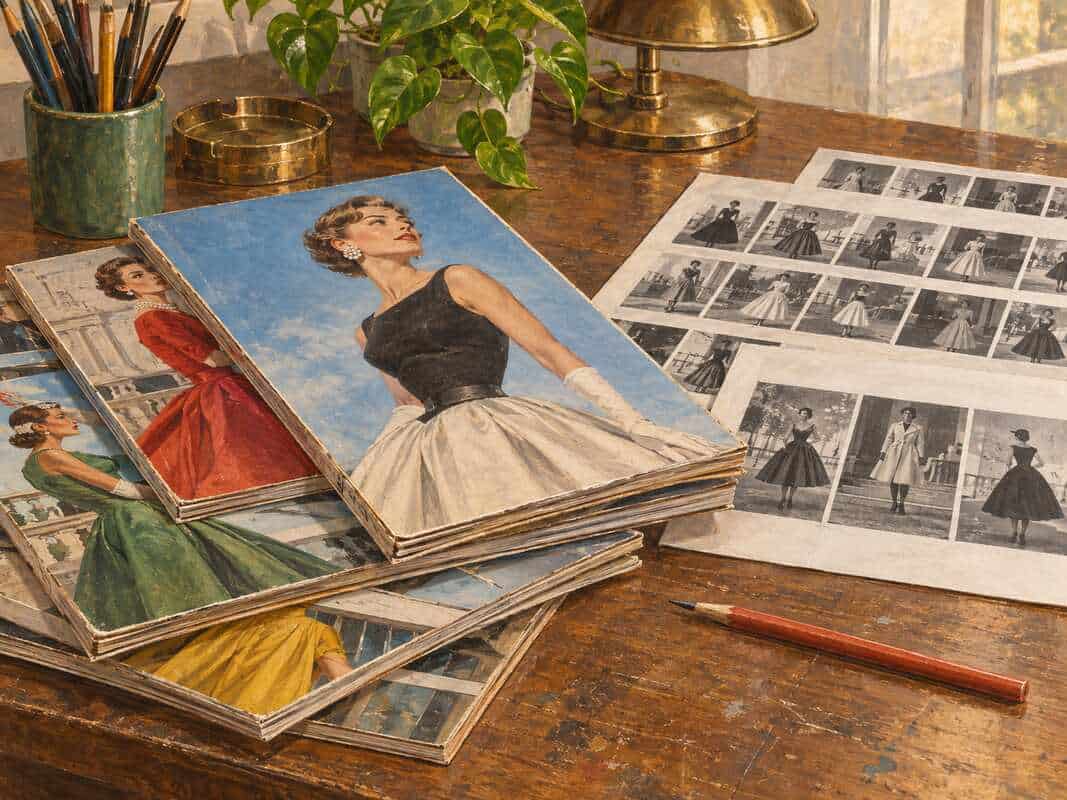
In 1944, Avedon met Alexey Brodovitch, the art director of Harper’s Bazaar. Brodovitch and the editor-in-chief Carmel Snow looked at his portfolio and hired him, and Brodovitch enrolled him in his Design Laboratory class at the New School for Social Research. His first pictures appeared in the Junior Bazaar section of the October 1944 issue and moved to the main pages the next month, according to Wikipedia. The New Yorker quotes Avedon saying that Brodovitch was “the authority, the teacher, the father”.
At first the magazine did not give him a studio. So he photographed models “on the streets, in nightclubs, at the circus, on the beach and at other uncommon locations”, in the words of the Avedon Foundation. That limitation became his style.
The Richard Avedon fashion photographer style
From 1947, Avedon photographed the Paris collections for Harper’s Bazaar, and he kept covering the French collections for decades, according to Les Rencontres d’Arles. His women roller-skated on the Place de la Concorde, leaped off curbs and danced in nightclubs, as Harper’s Bazaar recalls. The key features of his early work were:
- Movement. Models walked, ran, jumped and laughed instead of posing still.
- Real places. Streets, cafés and circuses replaced the painted studio set.
- Character. He wanted women who looked lively and intelligent, not just elegant.
- Drama. Bold contrasts, like an evening gown beside circus elephants.
Dovima with Elephants and Funny Face
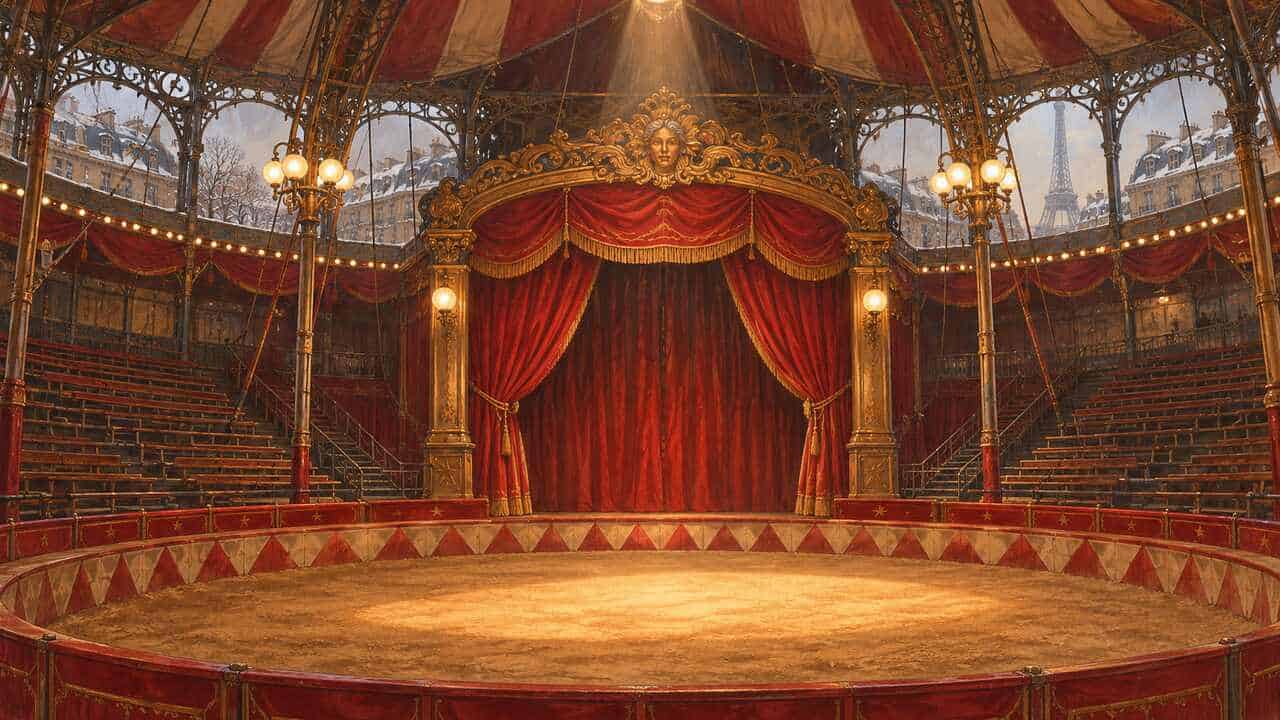
Avedon’s most famous fashion picture is Dovima with Elephants, made in 1955 for Harper’s Bazaar. The model Dovima stands between two elephants at the Cirque d’Hiver in Paris, wearing a Christian Dior evening dress, as Britannica and Wikipedia describe. The contrast between the fine gown and the huge, wrinkled animals made it one of the best-known fashion photographs ever taken.
Avedon’s early career also inspired a Hollywood film. The 1957 musical Funny Face, starring Fred Astaire and Audrey Hepburn, presented a fictional version of his story. Astaire played a photographer called Dick Avery, and Avedon supplied some of the still photographs used in the film.
| Year | Event |
|---|---|
| 1923 | Born in New York City on 15 May |
| 1942 to 1944 | Photographer in the U.S. Merchant Marine |
| 1944 | First pictures in Harper’s Bazaar, October issue |
| 1947 | Starts photographing the Paris collections |
| 1955 | Dovima with Elephants, Cirque d’Hiver, Paris |
| 1959 and 1964 | Books Observations (with Truman Capote) and Nothing Personal (with James Baldwin) |
| 1965 or 1966 | Leaves Harper’s Bazaar for Vogue |
| 1979 to 1984 | Photographs In the American West, shown in 1985 |
| 1992 | First staff photographer at The New Yorker |
| 2004 | Dies in San Antonio, Texas, on 1 October |
Did Avedon move from Harper’s Bazaar to Vogue?
Yes. After guest-editing the April 1965 issue of Harper’s Bazaar, Avedon left the magazine and joined Vogue, where he worked for more than twenty years, according to the Avedon Foundation. Sources differ on the exact year: the foundation and Wikipedia give 1965, while The New Yorker and Britannica give 1966. At Vogue he was the lead photographer and shot most of the covers from 1973 until Anna Wintour became editor-in-chief in 1988.
By then his style had changed. Towards the end of the 1950s he grew tired of daylight and outdoor locations and moved into the studio, using strobe lighting. His portraits, of artists, writers, politicians and performers, were made against a plain white background that removed every clue to place. “My photographs don’t go below the surface,” he said. “I have great faith in surfaces. A good one is full of clues.”

In the American West
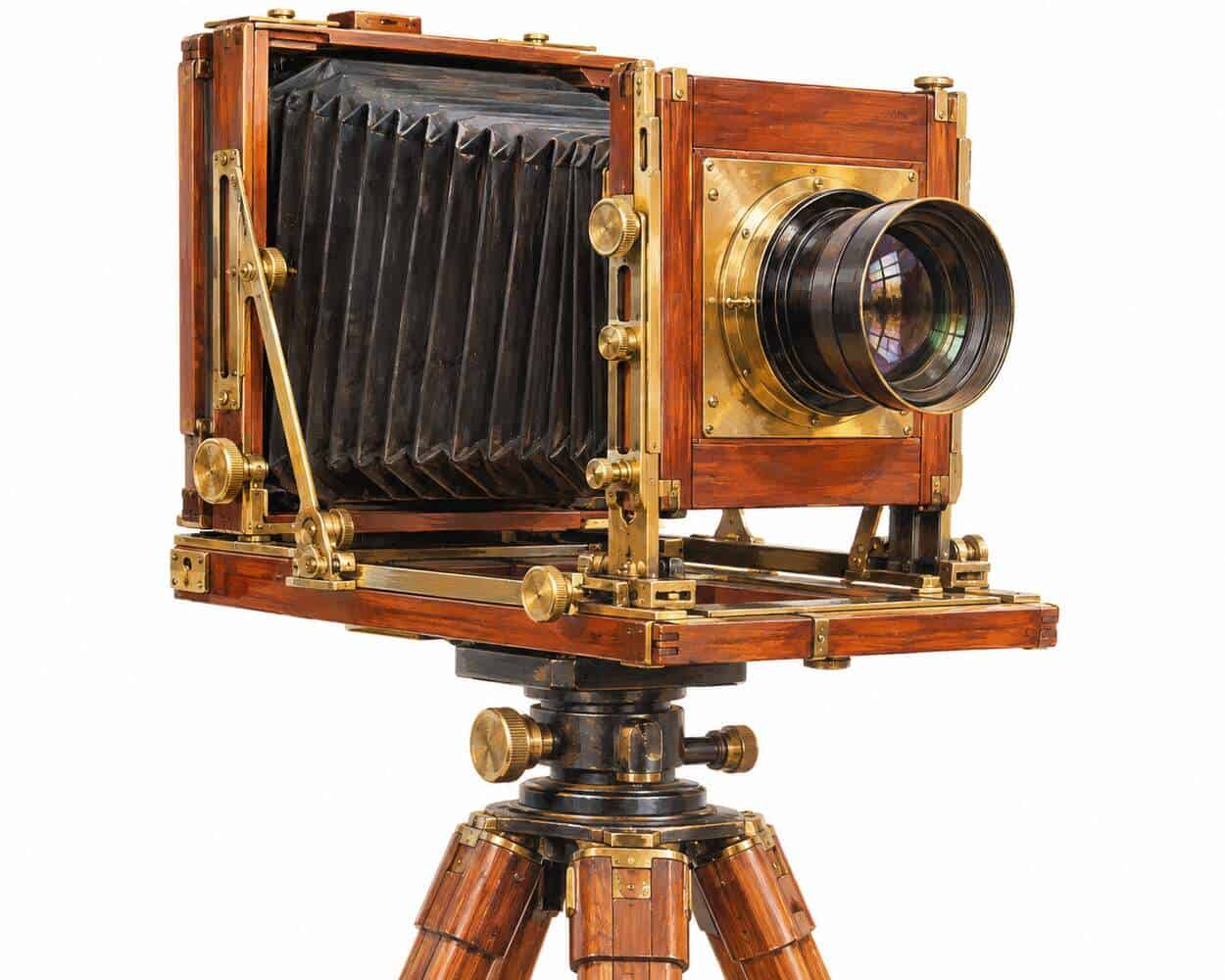
In 1979, Mitchell A. Wilder, director of the Amon Carter Museum in Fort Worth, Texas, commissioned Avedon to photograph the American West. From 1979 to 1984 he travelled to 189 towns in 17 states and conducted 752 sittings, exposing 17,000 sheets of film in a large-format camera, according to the Amon Carter Museum of American Art.
Instead of celebrities, he photographed miners, drifters, ranch hands and factory workers, each against the same white backdrop. The 124 portraits were published and exhibited at the museum in 1985. Some prints were up to 4 feet tall. Critics argued about the pictures, but Avedon called the series “a tribute” to working-class westerners, the museum notes. The Carter owns one of only two complete sets.
The New Yorker and Avedon’s legacy
In 1992 Avedon became the first staff photographer at The New Yorker. He was on assignment for the magazine in San Antonio, Texas, when he suffered a cerebral hemorrhage, and he died there on 1 October 2004, aged 81. He set up the Richard Avedon Foundation during his lifetime to look after his archive, according to the foundation.
His influence on fashion photography is everywhere: in campaign images shot on the street, in models caught mid-stride, and in portraits made against plain white paper. Patrick Demarchelier, the subject of our profile, moved to New York in 1975 and worked in the world Avedon and Penn had built. For the studio side of that story, read our profile of Irving Penn.
Key takeaways
- Richard Avedon was born in New York on 15 May 1923 and died in San Antonio on 1 October 2004.
- He learned his trade making identity photographs in the U.S. Merchant Marine from 1942.
- Harper’s Bazaar published his first pictures in October 1944; he shot the Paris collections from 1947.
- Dovima with Elephants, made in 1955 at the Cirque d’Hiver, is his most famous fashion picture.
- He moved to Vogue in the mid-1960s and shot most of its covers from 1973 to 1988.
- In the American West (1979 to 1984) produced 124 portraits, exhibited in 1985.
Common questions
Who was Richard Avedon?
An American fashion and portrait photographer (1923 to 2004) who worked for Harper’s Bazaar, Vogue and The New Yorker. He is known for putting fashion models in motion and for stark portraits on a white background.
What is Richard Avedon’s most famous photograph?
Dovima with Elephants (1955), which shows the model Dovima in a Dior evening dress between two elephants at the Cirque d’Hiver in Paris.
When did Richard Avedon leave Harper’s Bazaar?
After guest-editing the April 1965 issue. Sources give 1965 or 1966 for his move to Vogue.
What was In the American West?
A series of 124 portraits of working people in the American West, commissioned by the Amon Carter Museum. Avedon made it from 1979 to 1984 and the museum showed it in 1985.
Was the film Funny Face about Richard Avedon?
It was loosely based on his early career. Fred Astaire played a photographer called Dick Avery, and Avedon supplied some of the still photographs.
How was Avedon’s style different from Irving Penn’s?
Avedon became famous for movement and real locations, while Penn worked in the controlled calm of the studio. Later, Avedon also worked in the studio against a plain white background.
How we put this together: We took the dates and quotations from the Richard Avedon Foundation, Britannica, Wikipedia, The New Yorker, Harper’s Bazaar, Les Rencontres d’Arles and the Amon Carter Museum of American Art. Where sources disagree, as on the year he moved to Vogue, we say so. This is an independent guide with no link to the Richard Avedon Foundation or any magazine named here.
Sources
- The Richard Avedon Foundation, history
- The Richard Avedon Foundation, magazines
- Britannica, Richard Avedon
- Wikipedia, Richard Avedon
- The New Yorker, Avedon's defining early fashion shoots
- Harper's Bazaar, The Avedon Years 1945 to 1965
- Les Rencontres d'Arles, Richard Avedon
- Amon Carter Museum, In the American West
- Amon Carter Museum, Richard Avedon