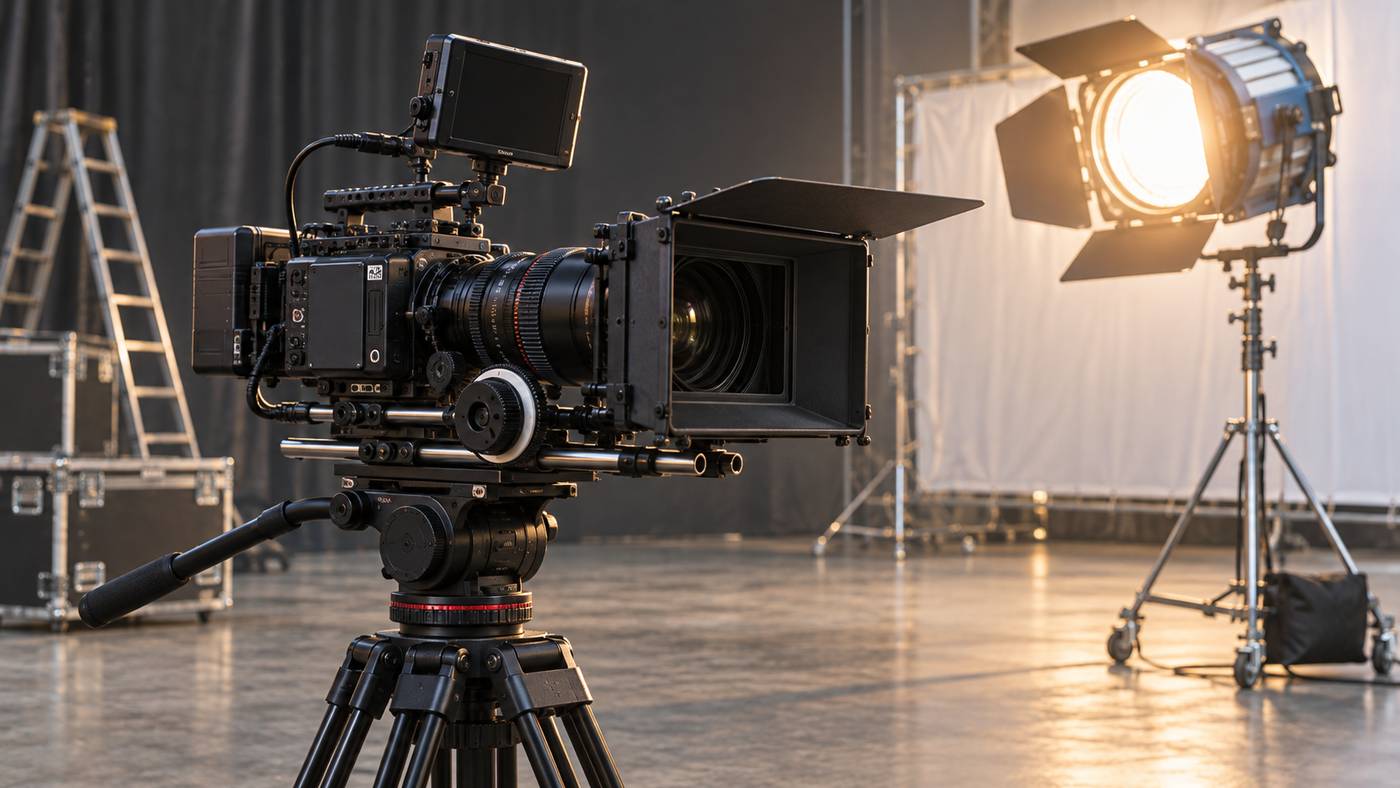
In short: A cinematographer, or director of photography (DP or DoP), is responsible for the look of a film, television show, music video or advert. The DP leads the camera and lighting crews, chooses cameras, lenses and filters, and works to the director’s vision. The American Society of Cinematographers, the first trade society for the job, was chartered in 1919, and the first Academy Award for cinematography went to Charles Rosher and Karl Struss for Sunrise in 1929.
This guide explains cinematography and the role of the director of photography. It is part of an independent guide to fashion photography, which today often spills into fashion film and advertising. It is not the official website of Patrick Demarchelier or his estate.
Some terms. Cinematography is the art and craft of making moving images. The director of photography (DP or DoP) is the head of the camera and lighting departments. A gaffer is the head electrician. A key grip leads the crew that moves and supports the camera. Colour grading is the process of adjusting the colour and contrast of the finished footage.
What is cinematography?
Wikipedia defines a cinematographer as the person responsible for recording a film, television production, music video or other live-action piece, who leads the camera and lighting crews and makes artistic and technical decisions about the image. The American Society of Cinematographers (ASC) goes further. It calls cinematography “a creative and interpretive process that culminates in the authorship of an original work of art rather than the simple recording of a physical event”, and says it is not a subcategory of photography.
Adobe’s guide to cinematography makes a similar point: the DP shapes how a story looks through framing, camera movement, lighting and colour.
What does a director of photography do?
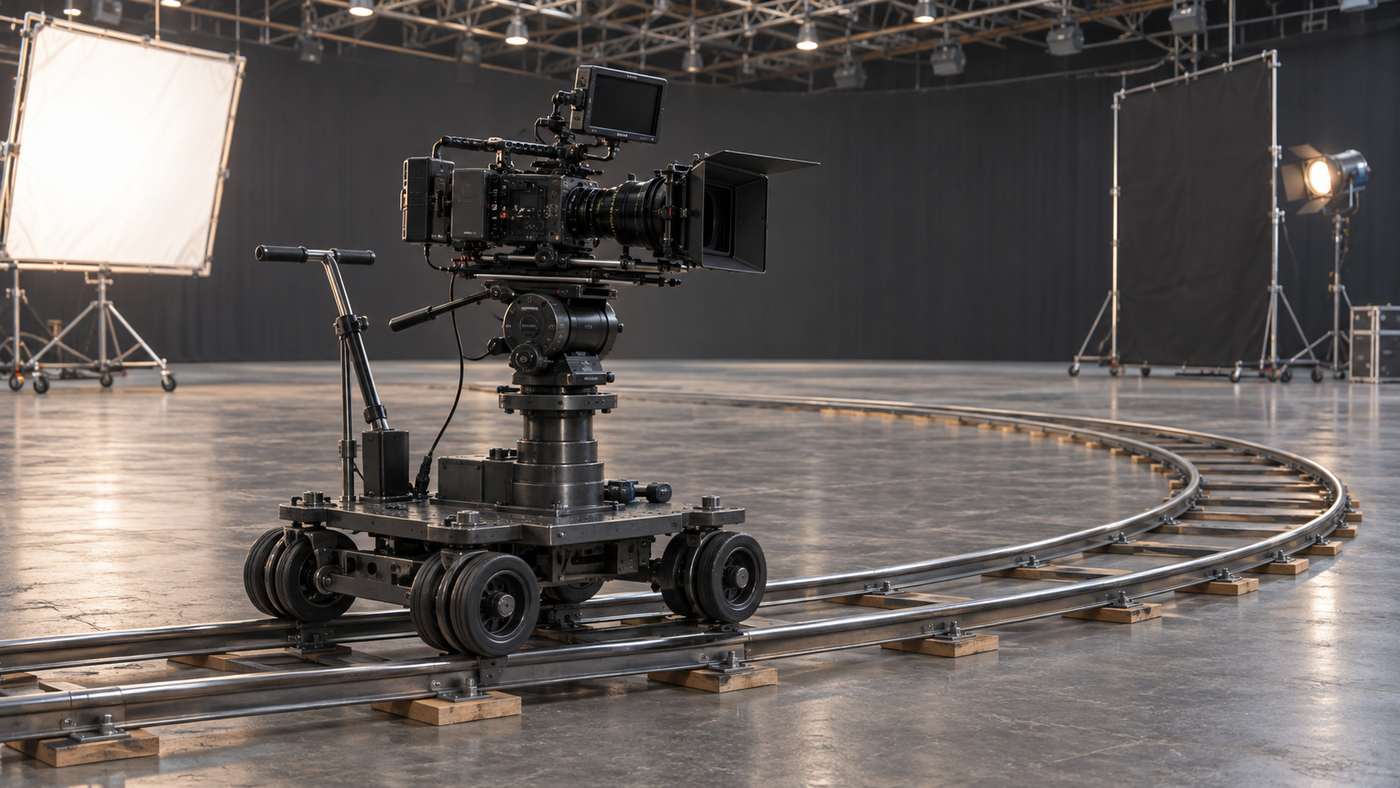
The DP’s main job is to turn the director’s vision into images. According to Wikipedia, the DP selects equipment and materials, including the camera, film stock, lenses and filters; leads the camera and lighting crews; and is commonly involved in colour grading to shape the final look.
How much freedom the DP has depends on the director. Some directors give the cinematographer wide latitude, while others specify exact camera placement and lens choices. Typically the director explains the effect wanted in a scene and the DP decides how to achieve it. The recorded scenes then go to the film editor.
The camera and lighting crew
The DP rarely works alone. Wikipedia lists the main roles:
| Role | What they do |
|---|---|
| Camera operator | Runs the camera and frames the agreed shot; the DP may do this, but most hand it to someone else |
| First and second assistant camera | Make sure the right lens is used and adjust focus during a take |
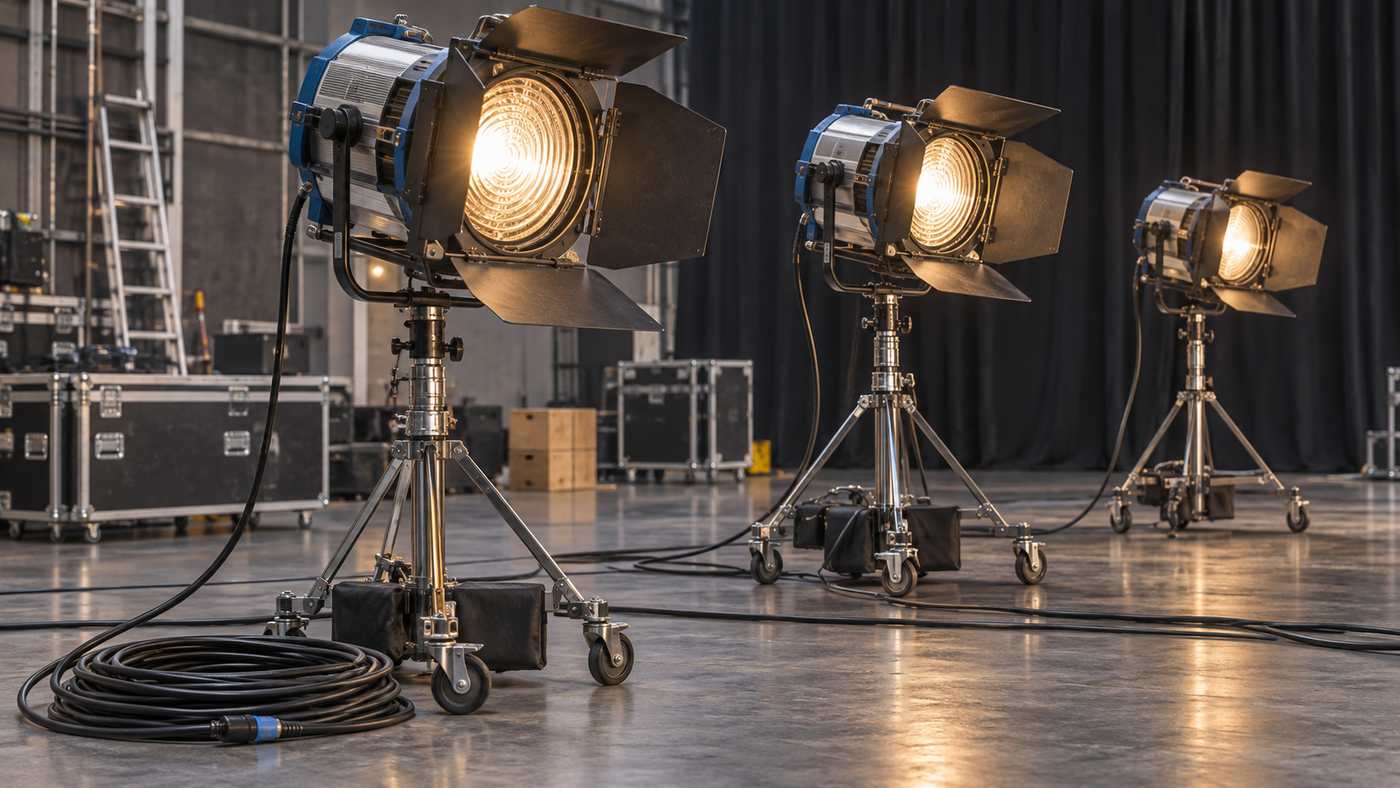
| Gaffer | Head electrician; designs the lighting plan, which the DP approves |
| Key grip | Leads the grips who build camera rails, dollies, tripods and cranes |
| Electricians | Carry out the lighting under the gaffer |
| Video assistant | Shows recorded images on set so the director can review them |
| Unit still photographer | Takes photographs on set for publicity and continuity |
The unit still photographer is the point where film and still photography meet. Our guide to becoming a professional photographer covers the still side of the trade.
A short history of cinematography
In the early days of film, Wikipedia notes, the cinematographer was usually also the director and the person turning the camera. As artificial lighting, faster film stocks and better lenses arrived, the roles split and specialists emerged. In the silent era, with no dialogue, films depended heavily on lighting and images.
The ASC was chartered on 8 January 1919 by 15 founding members, according to the society, and began publishing American Cinematographer magazine in 1920. Its history timeline records that the first Academy Award for cinematography was presented on 16 May 1929 to Charles Rosher and Karl Struss for Sunrise. Similar societies followed elsewhere, including the British Society of Cinematographers.
Some DPs have become directors. Wikipedia gives examples including Jan de Bont, who shot Die Hard and Basic Instinct before directing Speed and Twister, and Nicolas Roeg, who went on to direct Don’t Look Now.
Cinematography and fashion
Fashion photographers and cinematographers share the same tools: light, lenses and framing. Brands now commission short fashion films and moving campaigns alongside still images, so many shoots have both a photographer and a DP. The lighting ideas in our guide to studio photography for fashion brands apply to both, and our history of fashion photography shows how movement entered fashion images in the 1930s.
Pay and jobs
The US Bureau of Labor Statistics groups camera operators with film and video editors. In May 2025 the median annual wage for the group was $75,100, and for camera operators $74,990. The group held about 72,000 jobs, with employment projected to grow 3% over the decade. Pay for individual DPs varies widely by project, budget and country.
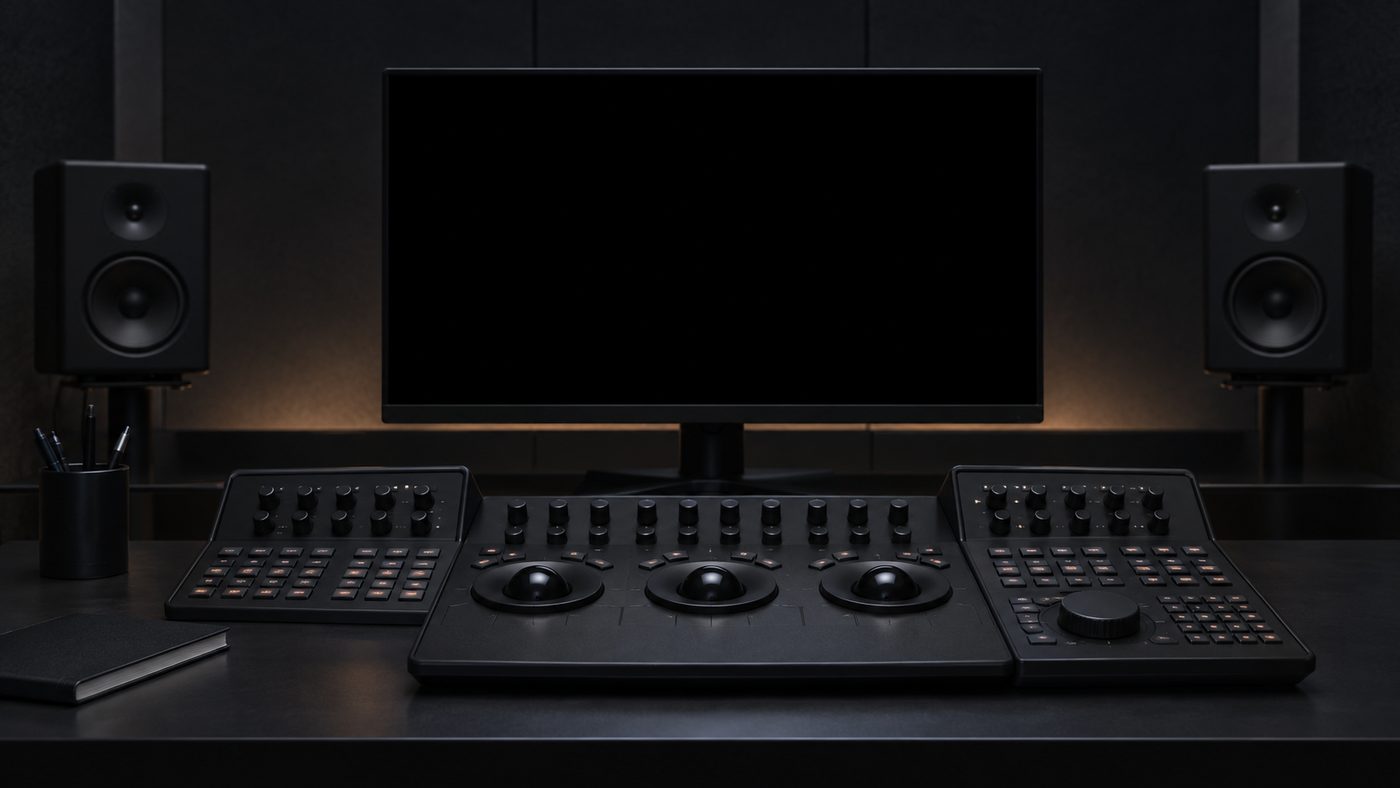
Glossary of cinematography terms
- Shot list: the planned list of shots for each scene, with framing and movement.
- Dolly: a wheeled platform that carries the camera smoothly along a track or floor.
- Focus pulling: adjusting focus during a take, usually by the first assistant camera.
- Frame rate: the number of images recorded each second; changing it creates slow or fast motion.
- Aspect ratio: the shape of the frame, such as wide cinema formats or vertical video for phones.
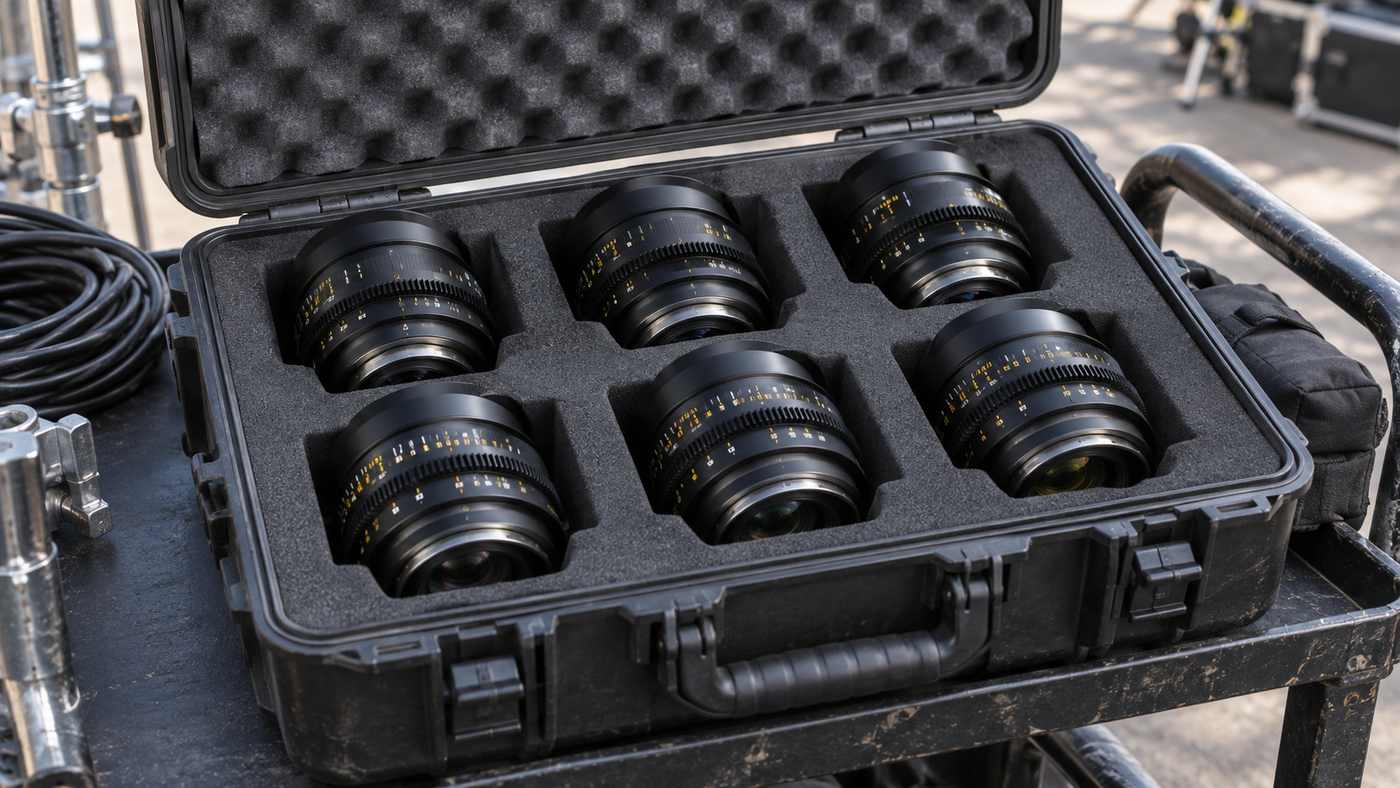
- Prime lens: a lens with a single fixed focal length, popular in cinema for image quality.
- Look-up table (LUT): a preset that maps camera colours to a chosen look, used on set and in grading.
- Coverage: the range of angles shot for a scene so the editor has choices.
Fashion films use the same vocabulary, so photographers moving into motion work pick up these terms quickly.
Key takeaways
- A director of photography leads the camera and lighting crews and shapes the look of a production.
- The DP chooses cameras, lenses and filters and often takes part in colour grading.
- The gaffer, key grip and camera assistants carry out the DP’s plan.
- The ASC was chartered in 1919; the first cinematography Oscar went to Sunrise in 1929.
- US camera operators earned a median $74,990 a year in May 2025, according to the BLS.
Common questions
Is a cinematographer the same as a director of photography?
Yes. The two terms are used for the same role, often shortened to DP or DoP.
Does the DP operate the camera?
Sometimes, but most cinematographers give that job to a camera operator and focus on the overall image.
What is the difference between a director and a DP?
The director is in charge of the whole production and the performances; the DP is in charge of how it looks, working to the director’s vision.
Who won the first Oscar for cinematography?
Charles Rosher and Karl Struss, for Sunrise, at the first Academy Awards on 16 May 1929.
How we put this together: definitions and crew roles come from Wikipedia and Adobe; history from the American Society of Cinematographers and its timeline; and pay figures from the US Bureau of Labor Statistics. Pay outside the United States is not covered.
Sources
- Wikipedia, Cinematographer
- American Society of Cinematographers, About
- ASC, History timeline
- Wikipedia, Academy Award for Best Cinematography
- Adobe, What is cinematography
- BLS, Film and video editors and camera operators